

 1-866-244-2214
Packaging is a multilayered system designed to protect, transport and sell your product. Understanding the distinct functions of primary, secondary and tertiary packaging is essential for making strategic decisions that impact product safety, brand visibility and supply chain efficiency.
This guide breaks down the packaging layers, explains how they work together and shows you how to optimize your packaging system for manufacturing and retail success.
What Is Primary Packaging?
Primary packaging is the first layer people will see on store shelves. Consumers touch and interact with it, making it critical for product protection and brand experience.
Examples include:
- Beverage bottles
- Candy bar wrappers
- Soup cans
- Blister packs for pharmaceuticals
A May 2025 study examined how coffee packaging colors influence consumer opinions. When the packaging color matched the flavor and style of the coffee inside, shoppers were more likely to choose the product and feel satisfied after buying and consuming it.
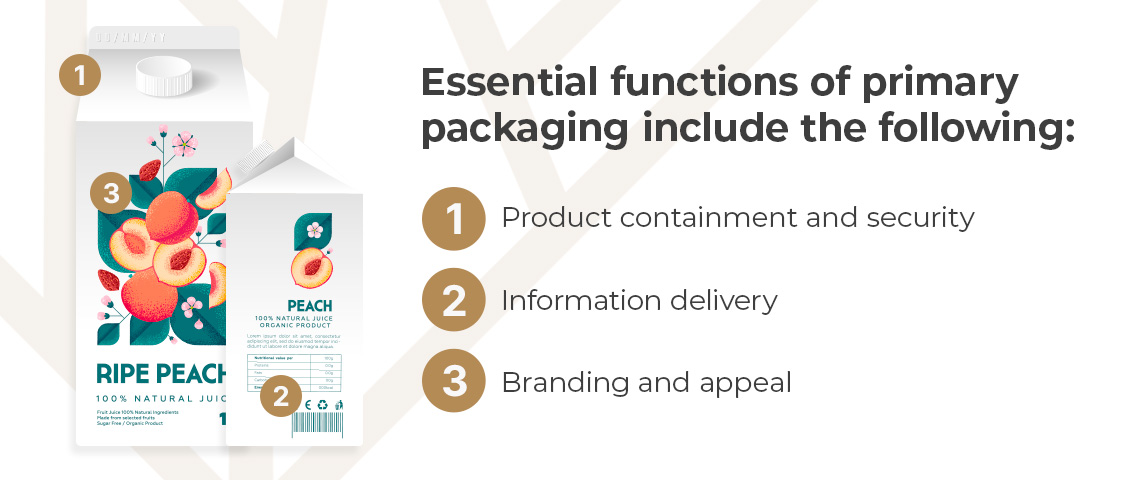
Essential functions of primary packaging include the following.
- Product containment and security: Shields the product from contamination, damage and spoilage.
- Information delivery: Displays essential details like ingredients, usage instructions and regulatory information.
- Branding and appeal: Serves as the first impression for consumers, using design and messaging to influence purchase decisions.
What Is Secondary Packaging?
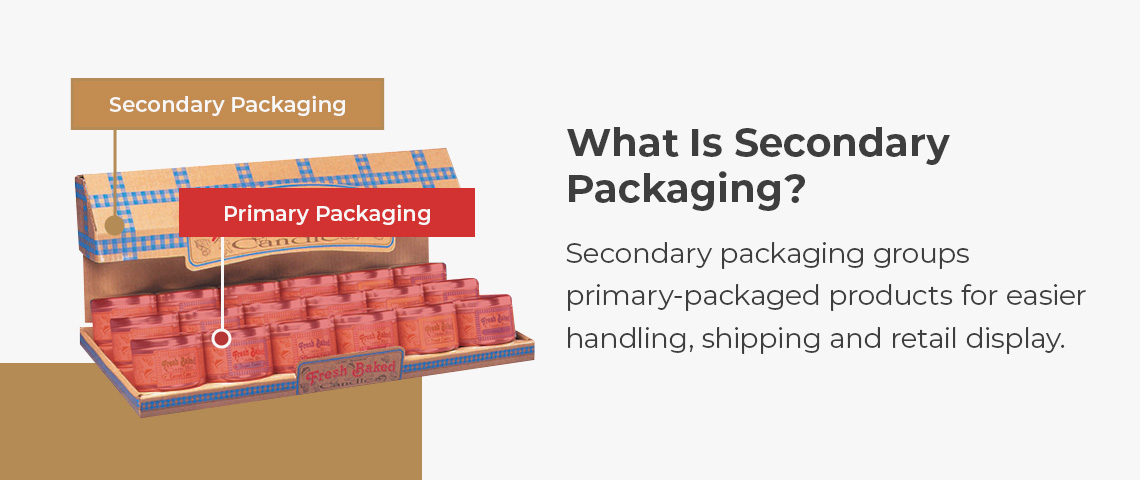
Secondary packaging groups primary-packaged products for easier handling, shipping and retail display. In a retail setting, this layer is often the most visible to shoppers and serves as a marketing tool that keeps products safe.
Examples include:
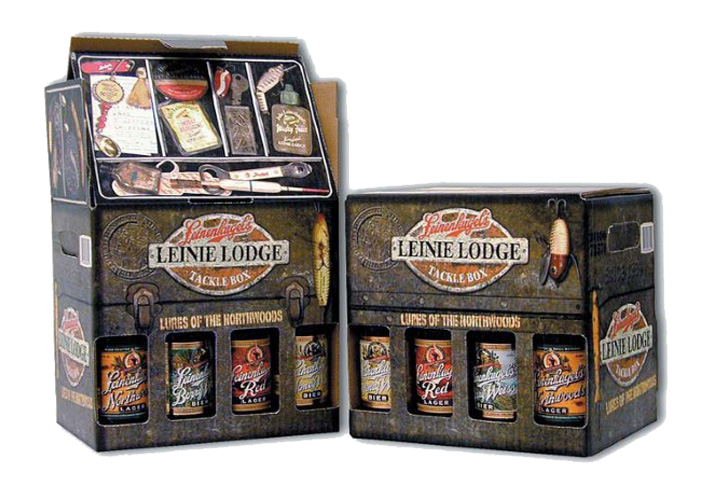
- Retail-ready cartons
- Point-of-purchase displays
- Multipack beverage boxes
- Shrink-wrapped bundles
Broken and damaged products account for about 20% of e-commerce consumer returns. A leading cause is oversized boxes without proper cushioning or material that doesn’t match the product inside.
Secondary packaging has several leading functions.
- Bundling for sale: Combines multiple primary packages for retail or wholesale.
- Additional safeguard: Adds a crucial buffer against damage during shipping and stocking.
- Retail display: Functions as a point-of-purchase display, drawing attention and driving sales.
- Brand visibility: Supports in-store marketing with custom graphics and messaging.
What Is Tertiary Packaging?
Tertiary packaging is the outer layer, designed for bulk handling and shipping. Though consumers rarely see it, it’s vital for getting products to a retailer in perfect condition.
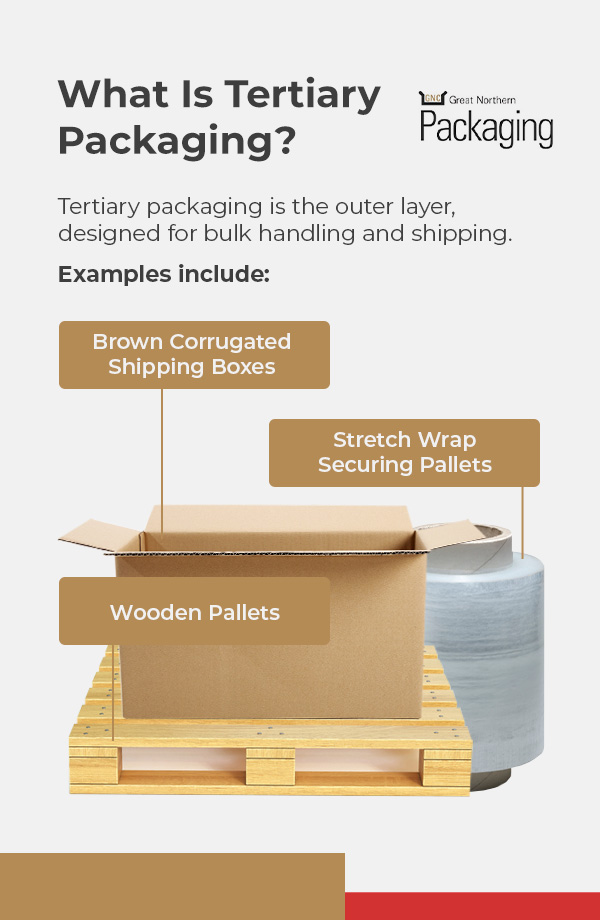
Examples include:
- Brown corrugated shipping boxes
- Wooden pallets
- Stretch wrap securing pallets
Tertiary packaging functions include the following.
- Bulk transport: Enables the safe and efficient movement of large quantities of goods.
- Damage prevention: Defends products against impact, compression and environmental hazards during transit and storage.
- Inventory and distribution: Simplifies warehouse management and logistics.
Comparing the Three Packaging Layers
To make informed decisions, you should understand how primary vs. secondary packaging differ from tertiary packaging and how the three layers function as a cohesive system.
The primary layer is:
- For safekeeping
- Intended for consumers to see and interact with
- Examples are bottles, wrappers and blister packs
The secondary layer is:
- For retail display and branding
- Intended for retailers and stockers
- Examples are POP displays and multipack boxes
The tertiary layer is:
- For shipping and bulk transit
- Intended for warehousing and logistics
- Examples are pallets, shipping cartons and stretch wrap
Though each packaging layer serves a distinct function, they are most effective when designed to work together. The primary packaging must fit securely inside the secondary packaging, which should stack within the tertiary packaging for shipping.
Overlooked or poorly designed layers can compromise the entire system — leading to product damage, increased costs or missed marketing opportunities. By considering how primary, secondary and tertiary packaging interact, companies can create a cohesive solution that safeguards products, boosts brand presence and streamlines logistics from production to the retail shelf.
Selecting the Right Packaging System
You can build a system of packaging layers that protect your product, display your brand and simplify your supply chain. Here’s how to approach the decision-making process.
- Product requirements: Assess fragility, perishability and shape.
- Supply chain needs: Consider transportation, storage and handling.
- Retail environment: Tailor packaging for big-box, boutique or grocery settings.
- Branding and marketing: Make sure packaging communicates your brand’s value and stands out on the shelf.
- Budget and sustainability: Balance cost with eco-friendly material choices and recyclability.
6 Considerations for a Cohesive Packaging Strategy
When developing an effective packaging system, evaluate multiple factors across all packaging layers to ensure they work together seamlessly.
1. Product Compatibility and Protection
Your packaging materials must be physically compatible with your product and provide the appropriate barrier properties.
Primary packaging requires the highest level of compatibility. Acidic foods need specific linings to prevent corrosion, and pharmaceuticals require non-leaching materials. Secondary packaging adds structural strength for shipping and handling, while tertiary packaging focuses on load stability and material durability to withstand transportation stresses.
Research laboratories can perform compatibility testing, depending on your requirements.
2. Regulatory Compliance and Traceability
Every packaging layer must meet relevant industry regulations, particularly for food, beverages and pharmaceuticals. Compliance means adhering to safety and labeling standards, such as those set by the Food and Drug Administration or the European Union. Tertiary packaging incorporates tracking elements like barcodes, QR codes or radiofrequency identification tags for supply chain traceability.
Maintaining compliance prevents costly recalls and legal issues while enabling efficient inventory management.
3. Retail and Consumer Experience
Secondary packaging should support consumer interaction through easy-open seals and resealable closures, while also meeting retailer requirements for size, labeling and display formats. Primary and secondary packaging must facilitate quick assembly and stocking in fast-paced retail environments to reduce labor costs and ensure consistent product presentation.
4. Branding and Marketing Opportunities
The differences between packaging layers become evident in marketing applications. Primary packaging serves as the first consumer impression, while secondary packaging functions as a critical point-of-purchase marketing tool with eye-catching graphics and promotional elements.
Customizable designs across layers support seasonal promotions, product launches and brand messaging that drives sales and reinforces brand identity.
5. Sustainability and Environmental Impact
Packaging policies are changing rapidly and getting stricter. Using recyclable, compostable or biodegradable materials meets corporate sustainability goals and consumer demand. These include primary packaging materials, secondary corrugated solutions and tertiary options like reusable pallets and lightweight wraps that maintain strength while minimizing resource use.
6. Cost Efficiency and Logistics Optimization
Balance material costs, production expenses and potential waste across all layers while considering logistics efficiency.
Tertiary packaging designed for palletization optimizes space in trucks and warehouses, while properly designed primary and secondary packaging prevent costly returns from damaged goods. In one recent survey, 60% of Americans said they’ve received damaged goods from online orders. Factor in replacement costs, unsellable inventory and potential customer loss when evaluating total cost impact.
Crafting Your Optimal Retail Solution
While primary packaging contains a product and tertiary packaging ensures safe bulk transport, secondary packaging can make a splash on the retail floor. Custom retail-ready cartons and point-of-purchase displays are powerful tools that influence customer perceptions and purchasing decisions.
Well-designed secondary packaging secures products during shipping and stocking and elevates their visibility and appeal to shoppers. Flexible solutions like branded display boxes and promotional displays can fit seasonal promotions or new product launches, making your brand stand out.
From structural design and prototyping to high-quality printing and efficient assembly, a packaging expert can help you create layers that work in tandem with your sales goals and ramp up your brand reputation. Consider partnering with a team that understands the unique demands of the retail environment and delivers custom solutions that drive results. Investing in expertly crafted secondary packaging is a strategic move to boost product performance, smooth logistics and ultimately increase your success on the shelf.
60 Years of Packaging Expertise at Your Fingertips
Great Northern Packaging has transformed brand ideas into high-performing shipping and unboxing experiences for over 60 years. We’ve built a reputation for high-quality, eco-friendly products that meet our customers’ unique needs.
If you want your products to stand out, stay protected and move efficiently through the supply chain, contact us today for packaging solutions that drive sales and brand loyalty.